Life Changes
Marriage and Wills: Why a Review Matters After Major Change
10 October 2026 · 6 min read
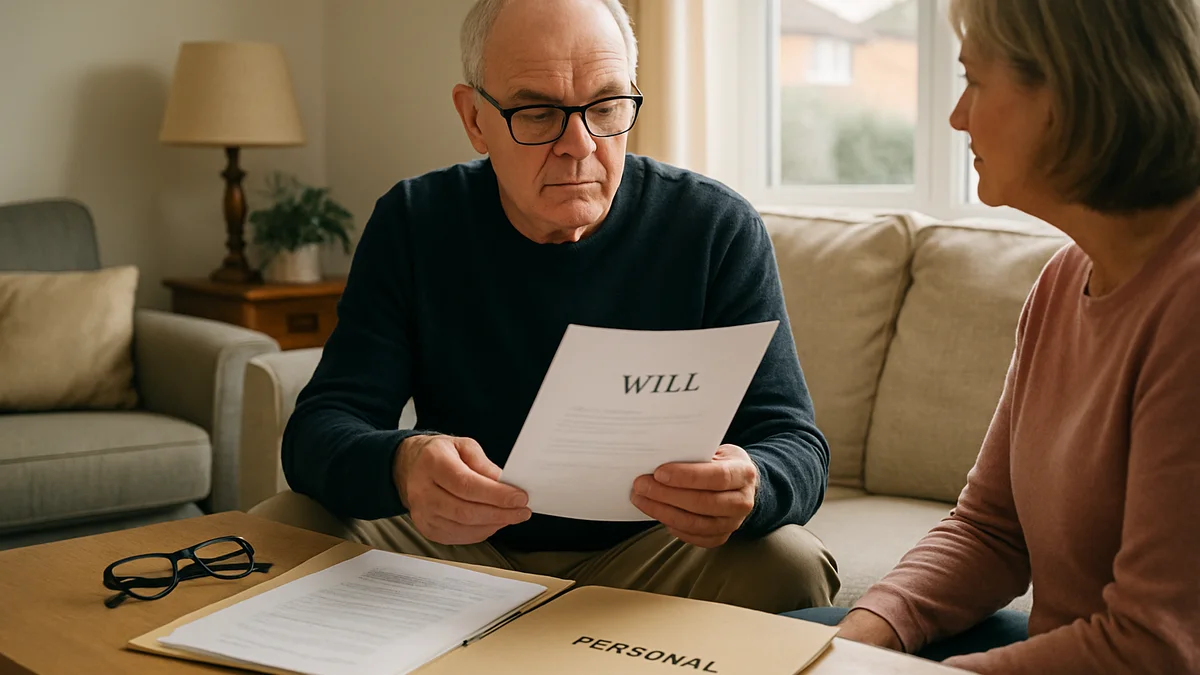
Why Marriage and Wills Need Attention
Marriage and wills are closely connected in England and Wales, which is why this is one of the first life events people should think about when reviewing their planning. GOV.UK says you should review your will every five years and after any major change in your life, and it specifically includes getting married on that list. In practice, that means an existing will should not be left unchecked once wedding plans or a formal new partnership are in view.
The reason a review matters is not only the legal effect of the event itself, but also the wider practical changes that often come with it. A new spouse or partner may need to be provided for, children from an earlier relationship may need careful thought, and existing executor choices may no longer fit your circumstances. Even where people believe their wishes are obvious, an outdated will can leave uncertainty at exactly the wrong time.
What GOV.UK Says About Marriage and an Existing Will
The GOV.UK guidance on updating a will says that getting married cancels any will you made before. That is the clearest rule in the material provided, and it explains why marriage is treated differently from many other life changes. It is not simply a prompt to rethink your wishes; it is a strong reason to check whether the document you signed still does the job you expect.
At the same time, people often use the phrase "marriage and wills" as if there were one simple answer for every couple, and real life is usually more complicated than that. The safest educational point is not to rely on assumptions. If your circumstances involve a second marriage, children from a previous relationship, shared property, a dependant who needs ongoing support, a business, or assets outside the UK, GOV.UK itself indicates that professional input may be sensible because the will may not be straightforward.
Civil Partnership and Other Relationship Changes
People commonly ask about civil partnership alongside marriage because both can mark a major legal and personal change. Even where someone is not sure exactly how the rules may apply in their own situation, the practical message is the same: do not leave an older will sitting in a drawer on the assumption that it still matches your wishes. A review is often the simplest way to identify whether names, gifts, substitute beneficiaries, guardianship choices, or executor appointments now need attention.
It is also worth separating marriage or civil partnership from other relationship events. GOV.UK says you should review your will after getting separated or divorced as well as after getting married. That distinction matters because people often assume all relationship changes work in the same way when they do not. A careful review helps you avoid treating one event as legally identical to another and reduces the risk of acting on hearsay rather than on the wording of your current will and your present family circumstances.
Why a Review Can Be Better Than Guesswork
A will review is useful because it focuses on what the signed document currently says, who it benefits, who is meant to act, and what could go wrong if nothing is changed. GOV.UK explains that your will should set out who benefits, who would look after any children under 18, who will sort out your estate as executor, and what happens if a beneficiary dies before you. After marriage or a planned civil partnership, each of those points may need revisiting, not just the headline question of who inherits.
A review is also a sensible point to check whether there have been several changes since the will was signed. People may have moved house, had children, lost a named executor, or developed more complicated family arrangements. Where the changes are minor, a codicil may sometimes be discussed, but GOV.UK says you cannot simply amend a signed will informally. For major changes, GOV.UK says you should make a new will, and that new will should explain that it revokes previous wills and codicils.
Common Practical Problems After a Wedding or New Partnership
One common problem is that people assume matching plans made years earlier will still work without being checked. This can be especially risky where there are children from an earlier relationship, stepchildren, or a wish to balance provision between a current spouse or partner and other relatives. Another issue is forgetting that the people named in an old will may no longer be the right choice to administer the estate. An executor appointment that once seemed obvious can become awkward or unsuitable after family relationships change.
Storage and communication also matter more than many people realise. GOV.UK says you can keep a will at home or store it with a solicitor, a bank, a company that stores wills, or the national probate registry in Newcastle, and that you should tell your executor, a close friend, or a relative where it is. After a marriage or civil partnership, there is little value in updating a will if nobody can find the signed version or if relatives are left arguing over whether an older document was supposed to be replaced.
When to Replace a Will and What a Review Can Achieve
If you are approaching marriage, have recently married, or are entering a civil partnership, a review can help you decide whether your current will still reflects your wishes or whether a replacement is the better course. That is particularly helpful when there are significant personal changes rather than one isolated event. A review-only instruction is about examining what you already have and identifying issues; it does not itself replace an existing will, and a draft on its own does not cancel a signed will.
For many adults in England and Wales, the most useful outcome is clarity. You come away knowing what your present document says, whether a codicil is likely to be enough, or whether a new will is the more sensible route for major changes. Clear Will Writing’s Will Reviews are relevant at this stage because the aim is to understand the position before deciding on next steps. That measured approach is often far better than assuming that marriage and wills will sort themselves out without any deliberate check.
General information for England and Wales, not advice on your individual circumstances. Guidance and fees can change; check current official information and obtain advice suited to your situation.
Explore our Will Reviews service
Want to talk about your own situation?
Start with a short enquiry and a person will explain the next step.
Start Your EnquiryRelated guides

Replacement Wills After a Review: What Actually Changes
A will review can identify issues, but a separately agreed replacement is what changes the document. In England and Wales, a draft alone does not revoke a signed will.
9 October 2026 · 6 min read

Reviewing Your Will After Life Changes in England and Wales
A practical guide to reviewing your will in England and Wales after major life changes, including when a codicil may be suitable and when a new will may be the clearer option.
8 October 2026 · 7 min read
Ready to put your wishes in writing?
Start with a short enquiry. We'll explain the next step and what information we need.
Clear Will Writing is a specialist will-writing service and is not a firm of solicitors.