Estate Planning
Choosing Trustees: Willingness, Responsibilities and Back-Up Options
7 November 2026 · 7 min read
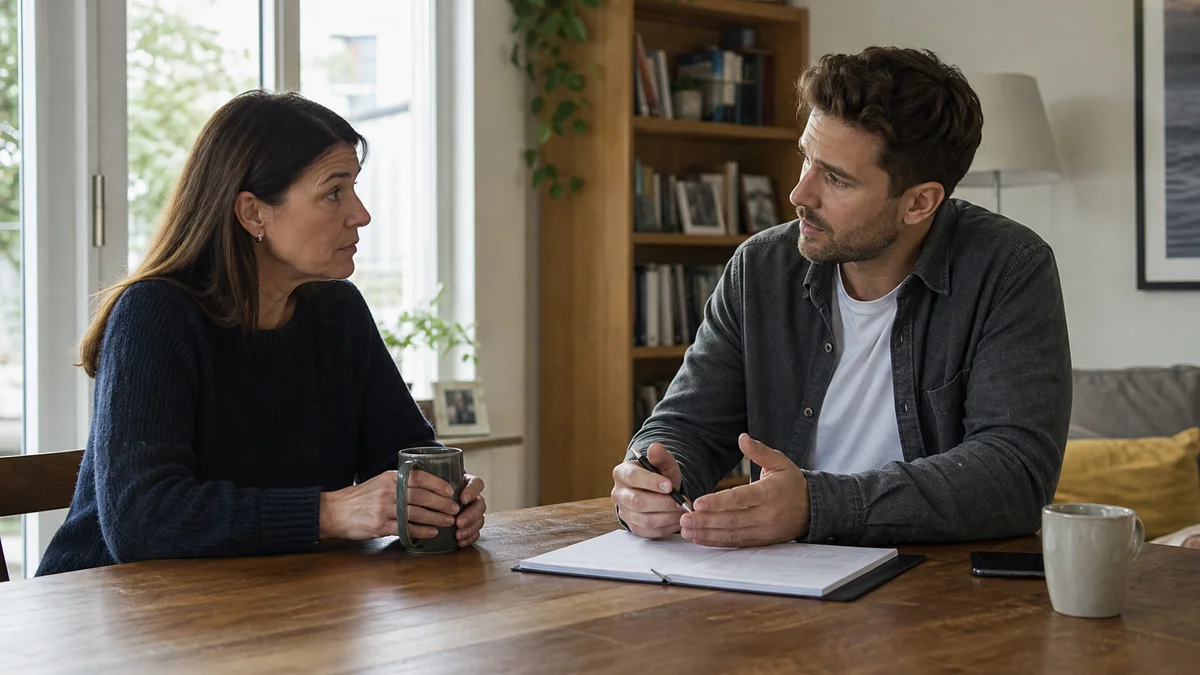
Start With the Right Conversation
Choosing trustees is an important part of planning a will that includes a trust in England and Wales. People often begin with who they trust personally, but a good choice also depends on willingness, availability and whether the person is likely to cope with practical decision-making over time. Where a will trust is being considered, it helps to think about trustees early, rather than treating the name as a final detail to fill in at the end of the drafting process.
A trust involves a trustee, a settlor and a beneficiary. GOV.UK explains that different trusts work in different ways. In some arrangements, trustees hold assets for a beneficiary until that beneficiary is old enough. In others, trustees may have to pass on all trust income to a particular beneficiary, or they may have discretion over how income or capital is used. That means the right trustee is not simply a reliable relative or friend in the abstract, but someone suited to the kind of trust your will is actually creating.
Why Willingness Matters as Much as Trust
A common mistake is to assume that a suitable person will naturally be happy to act. In practice, willingness matters just as much as personal loyalty. Someone may be honest, caring and sensible, yet still feel unable to take on an ongoing role involving paperwork, family communication and repeated decisions. A short conversation now can be better than leaving an unexpected responsibility for later, especially if the trust may continue for years after your death.
Talking in advance can also reduce the risk of future tension. A potential trustee may want to understand, in broad terms, who the beneficiaries are, why a trust is being used and whether the role is likely to involve straightforward administration or more judgement. If the trust could require decisions about when to pay out money, how often payments are made or which beneficiary should receive support, the person you choose should be comfortable with fairness, discretion and keeping to the terms of the will rather than family pressure.
Think About the Practical Job, Not Just the Name
The practical work of trustees will depend on the type of trust. GOV.UK describes bare trusts, where assets are held in the name of a trustee but the beneficiary has the right to the capital and income once they are 18 or over in England and Wales. It also describes interest in possession trusts, where trustees must pass on trust income to the beneficiary as it arises, and discretionary trusts, where trustees can decide what gets paid out, to whom, how often and on what conditions, depending on the trust terms. Those different roles call for different strengths.
For that reason, it can help to ask a few grounded questions. Is the person organised enough to deal with documents and records? Are they likely to respond calmly if beneficiaries disagree? Do they understand the difference between owning assets personally and holding them for others under the terms of a trust? If your trust is intended to support children or a beneficiary who may need help over time, the best trustee may be someone dependable and balanced rather than simply the closest family member or the person who is most confident in conversation.
Choose Back-Up Trustees With Care
A first choice may not always be available when the time comes. Circumstances change, relationships change and health can change. That is why it is sensible to think about replacements when you are making the will, rather than assuming the first named person will always be able to act. A back-up choice can be especially useful where the trust may continue for a long period or where the role could become demanding because of ongoing decisions, family dynamics or the age and needs of the beneficiaries.
When considering replacements, the same practical tests apply. A substitute trustee should not be added only because they are next in line within the family. It is usually better to think in terms of suitability, steadiness and likely availability. Some people prefer a pair of trustees because shared responsibility may feel more balanced, while others focus on whether the named people are likely to work well together. The important point is that replacement planning should be deliberate and clear, so the will reflects considered choices rather than assumptions.
Avoid Assumptions About Professional Drafting
If you are arranging Wills with Trusts, it is important to be clear about what the drafting service is and is not doing. Having a will prepared does not, by itself, appoint the drafting business as trustee. Trustee appointments depend on the terms of the will you approve and sign. That is worth understanding from the outset, because some people assume that if a professional has drafted the trust wording, the professional firm will automatically step into the ongoing role. That should never be assumed.
This is one reason careful instructions matter. If you want particular people to act, they should be named appropriately in the will. If you are still undecided, that is a point to resolve before the document is finalised. Clear planning also helps avoid confusion between different roles in a will. GOV.UK separately refers to the executor as the person who sorts out your estate and carries out your wishes after your death. A trust may add further responsibilities beyond that estate administration, so it helps to think carefully about who is suitable for each role and not to assume one appointment answers every need.
Make the Choice Fit the Purpose of the Trust
The strongest trustee choice usually comes from matching the person to the purpose of the trust. If the trust is mainly there to hold assets for a young beneficiary until they are older, you may be looking for patience, record-keeping and a calm approach. If the trust is expected to involve regular income passing to one person, reliability and routine may matter most. If the trust is discretionary, the emphasis may be on judgement, balance and the ability to make difficult decisions fairly within the terms of the will.
Before your will is completed, it is worth checking that the trust structure and the trustee choices make sense together. Think about willingness, personality, likely longevity of the role and whether sensible replacements have been considered. Also remember that buying a will drafting service does not automatically mean the business will become trustee. Good planning is usually less about choosing the most impressive name and more about choosing people who understand the role, are genuinely prepared to take it on and fit the practical needs of the trust you are creating.
General information for England and Wales, not advice on your individual circumstances. Guidance and fees can change; check current official information and obtain advice suited to your situation.
Explore our Wills with Trusts service
Want to talk about your own situation?
Start with a short enquiry and a person will explain the next step.
Start Your EnquiryRelated guides

Testamentary Trusts: Why a Will Trust Is Not a Lifetime Gift
In England and Wales, testamentary trusts take effect through a will after death, so they differ from lifetime giving and should be understood on their own terms.
6 November 2026 · 7 min read

Overseas Wills: How to Review an English or Welsh Will Carefully
A review can help you flag overseas assets and possible separate foreign wills without assuming your English or Welsh will should revoke everything worldwide.
5 November 2026 · 7 min read
Ready to put your wishes in writing?
Start with a short enquiry. We'll explain the next step and what information we need.
Clear Will Writing is a specialist will-writing service and is not a firm of solicitors.